Cascara-coffee cherry tea “Coffee plant”
€15.00
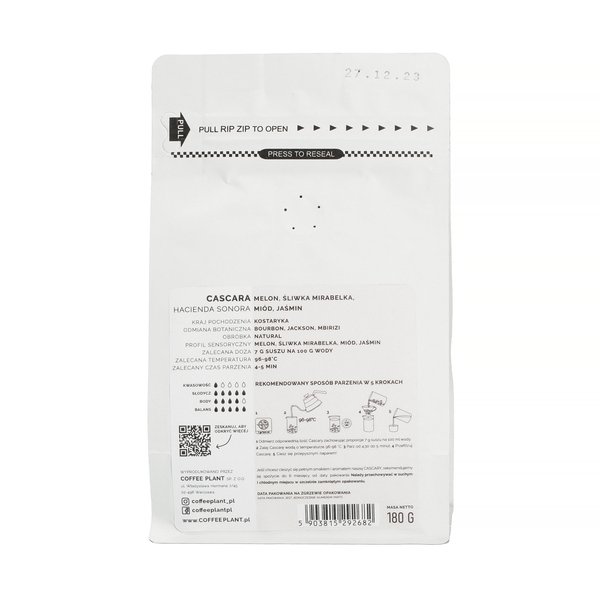
Country: Costa Rica
Variety: Bourbon, Jackson, Mbirizi
It can be brewed like tea, in French Press or as cold brew. It is rich in stimulating caffeine, so it is a great recipe for refreshing drinks.
Description
What is Cascara Like?
Cascara can’t officially be called tea, for it comes from the Coffea genus rather than the Camellia sinensis tea plant. This is similar to how herbal and fruit teas also aren’t officially tea (you’ll often notice them marketed as “fusions” and “tisanes”). It’s the fruity tisanes that cascara is most like.
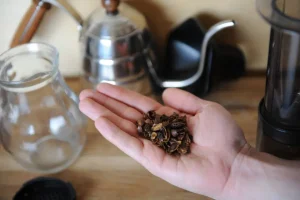
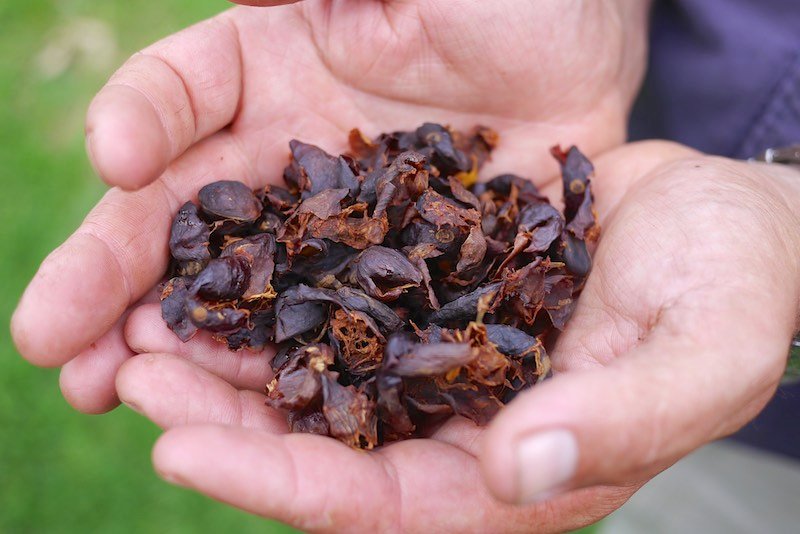
The coffee fruit is a lot like the fruits used to brew herbal teas, except cascara is slightly larger and more leathery than most tea fruits. It could also be compared to a raisin as well.
(Note: The cascara the comes from coffee plants also shouldn’t be confused with cascara sagrada. Cascara sagrada is bark from the California buckthorn tree. It’s used as a traditional herbal medicine and in dietary supplements, and it has laxative effects.)
Does Cascara Taste Like Coffee?
Cascara tastes nothing like traditional coffee, but much more like a fruit tea. It’s fruity and sweet, with notes of hibiscus, cherry, mango, red current and rose hips. Sometimes there’s also a slight tobacco undertone that stems from the fruit’s leathery nature.
When brewed as hashara or qisher, the beverage also takes on traits of a mulled wine.
Does Cascara Have Caffeine?
Caffeine is a naturally occurring pesticide, and coffee trees certainly have it in their fruit’s skin to deter insects and other creatures that would otherwise destroy the fruit. There’s not as much caffeine in cascara as there is in brewed coffee, however